
Understanding Hair Loss: Causes, Prevention & Solutions
Understanding Hair Loss: A Complete Guide
Hair loss affects millions of men and women worldwide. Understanding the causes and knowing your options is the first step toward finding a solution.
Common Causes of Hair Loss
1. Androgenetic Alopecia (Male/Female Pattern Baldness)
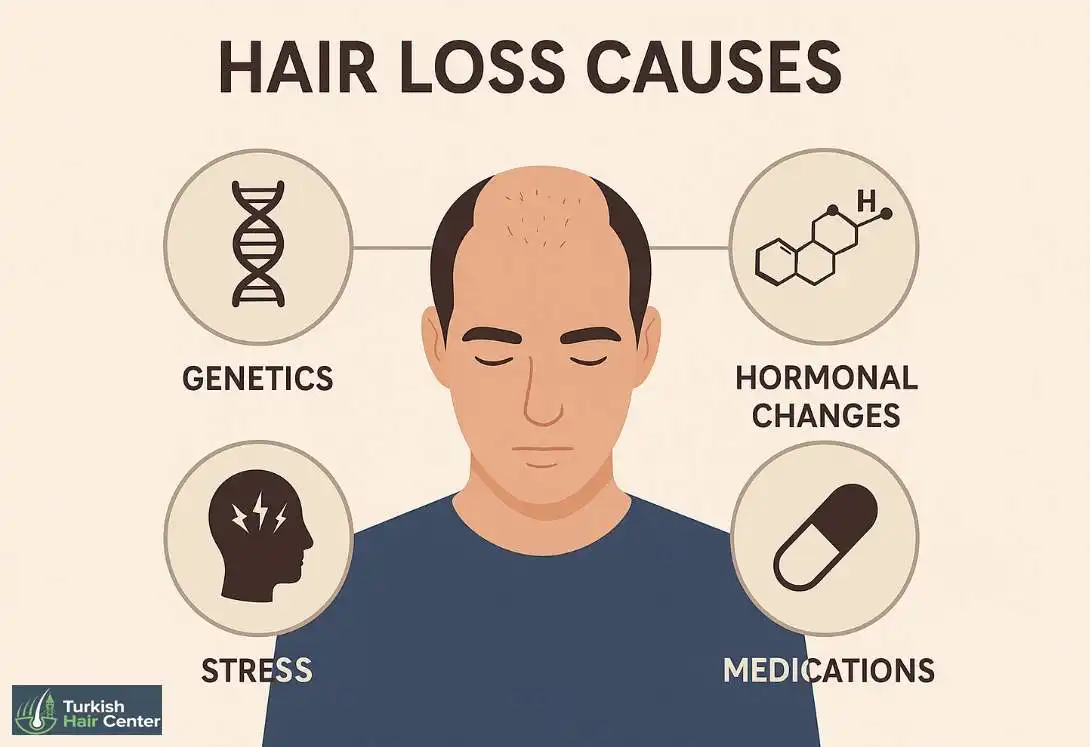
The most common cause, affecting 50% of men by age 50 and 40% of women by age 70. It's genetic and hormonal, caused by sensitivity to DHT (dihydrotestosterone).
2. Stress and Lifestyle Factors
Physical or emotional stress can trigger telogen effluvium - temporary but extensive hair shedding. Usually reversible once stress is managed.
3. Medical Conditions
- Thyroid disorders
- Autoimmune diseases (alopecia areata)
- Nutritional deficiencies (iron, vitamin D, B12)
- Hormonal changes (pregnancy, menopause)
4. Medications
Certain drugs can cause hair loss as a side effect, including chemotherapy, blood thinners, beta-blockers, and antidepressants.
5. Lifestyle Factors
- Poor diet and nutrition
- Smoking
- Excessive alcohol consumption
- Harsh hair treatments and styling
Early Warning Signs
Recognizing hair loss early allows for more effective intervention:
- Receding hairline at temples
- Thinning at the crown
- Wider hair parting
- More hair on pillow or in shower drain
- Scalp becoming more visible
Prevention Strategies
1. Maintain a Healthy Diet
Ensure adequate protein, iron, zinc, biotin, and vitamins A, C, D, and E. These nutrients are essential for healthy hair growth.
2. Manage Stress
Practice meditation, exercise regularly, get adequate sleep, and find healthy stress outlets.
3. Be Gentle with Your Hair
- Avoid tight hairstyles that pull on hair
- Limit heat styling and chemical treatments
- Use a wide-tooth comb on wet hair
- Pat hair dry instead of rubbing vigorously
4. Protect from Sun and Pollution
UV rays and environmental pollutants can damage hair. Wear hats outdoors and use protective hair products.
Treatment Options
Medical Treatments:
- Minoxidil (Rogaine): Topical treatment that can slow hair loss and stimulate regrowth
- Finasteride (Propecia): Prescription medication that blocks DHT for men
- PRP Therapy: Platelet-rich plasma injections to stimulate follicles
- Low-Level Laser Therapy: Light therapy to improve hair density
Surgical Solution: Hair Transplantation
For advanced hair loss, hair transplantation offers permanent, natural-looking results. Modern techniques like FUE and DHI provide:
- Permanent solution (no ongoing medications needed)
- Natural-looking results
- Minimal downtime
- High success rates (90-95% graft survival)
When to Consider Hair Transplant
Hair transplant is ideal when:
- Hair loss has stabilized (usually after age 25)
- You have sufficient donor hair
- Medical treatments haven't provided desired results
- You want a permanent solution
- You're in good general health
Myths About Hair Loss Debunked
Myth 1: "Wearing hats causes baldness"
Fact: Hats don't cause hair loss unless they're extremely tight and worn constantly.
Myth 2: "Hair loss comes from the mother's side"
Fact: Genetics play a role from both parents, not just the mother.
Myth 3: "Shampooing too often causes hair loss"
Fact: Shampooing doesn't cause hair loss; you're just seeing naturally shed hair.
Myth 4: "Only old people lose hair"
Fact: Hair loss can begin in your 20s or even earlier.
Take Action Early
The earlier you address hair loss, the more options you have. If you're noticing thinning or receding, don't wait. Consult with a hair restoration specialist to understand your options.
At Turkish Hair Center, we offer free consultations to assess your hair loss and recommend personalized treatment plans. Whether it's medical management, PRP therapy, or hair transplantation, we'll help you find the right solution.
Contact us today for your free hair loss analysis and take the first step toward restoring your confidence!
Ready to Transform Your Hair?
Get a free consultation and personalized treatment plan from our expert surgeons.
Get Free Consultation